
Overview
What is it?
Alopecia Areata Treatment is a dermatology service focused on understanding the cause of a visible or uncomfortable skin, hair, nail, or scalp concern. A dermatologist checks the pattern, duration, triggers, previous medicines, allergies, lifestyle factors, and any warning signs before suggesting treatment.
The plan may be simple for mild cases or more structured for chronic and recurring conditions. Many dermatology problems need follow-up because the skin responds gradually and treatment may need adjustment over time.
Symptoms
- Persistent rash, itching, redness, swelling, scaling, spots, acne, pigmentation, hair fall, dandruff, nail changes, or non-healing lesions.
- Symptoms that come back after stopping over-the-counter creams or home remedies.
- Pain, pus, bleeding, rapid growth, spreading infection, or a mole or patch that changes in size, colour, or shape.
- Cosmetic concerns such as scars, marks, uneven skin tone, unwanted hair, or texture changes affecting confidence.
Prevention
- Use sunscreen, gentle cleansers, and non-irritating skin-care products suited to your skin type.
- Avoid picking, scratching, harsh scrubs, steroid-mix creams, and repeated self-medication without diagnosis.
- Keep skin folds dry, do not share towels or razors, and treat fungal or bacterial infections early.
- Track triggers such as stress, sweat, cosmetics, hair products, diet changes, and new medicines.
Non-surgical Options
- Prescription creams, gels, shampoos, oral medicines, antihistamines, antibiotics, antifungals, or anti-inflammatory medicines when appropriate.
- Dermatology procedures such as chemical peels, comedone extraction, cryotherapy, intralesional injections, laser sessions, PRP, or light-based therapy depending on the diagnosis.
- Skin-care planning, trigger control, maintenance therapy, and scheduled reviews to reduce recurrence.
Surgical Options
- Most dermatology concerns do not need surgery, but selected cases may need mole removal, biopsy, cyst excision, wart removal, scar revision, or nail procedures.
- Suspicious, changing, bleeding, painful, or non-healing lesions should be examined promptly and may need biopsy or specialist removal.
- Procedure choice depends on location, diagnosis, cosmetic outcome, healing tendency, and patient health factors.
Diagnosis and Treatment Planning
The first step for Alopecia Areata Treatment is a proper consultation. The specialist may ask about symptom duration, severity, previous treatment, allergies, medical conditions, and current medicines. Tests or imaging are advised only when they add value to diagnosis or safety.
After assessment, the doctor explains suitable options, expected timeline, possible side effects, follow-up schedule, and when urgent review is needed.
Recovery and Follow-up
Recovery depends on the diagnosis and treatment method. Many outpatient treatments allow same-day routine activity, while procedures may need rest, wound care, medicines, or temporary activity restrictions.
Follow-up visits help track healing, adjust medicines, reduce recurrence, and answer questions about long-term care.
When to See a Doctor
Book a consultation if symptoms are persistent, worsening, recurring, painful, spreading, bleeding, infected, or affecting daily life. Seek urgent care for severe pain, fever, heavy bleeding, breathing difficulty, fainting, pregnancy warning signs, or rapidly increasing swelling.
Care options
Doctors for "Alopecia Areata Treatment" in Mumbai

Dr. Shoma Sarkar
Celebrity Dermatologist & Hair Care Specialist
Dr. Shoma Sarkar is a renowned dermatologist with over 10 years of experience in Aesthetic & Clinical Dermatology. She specializes in a...

Dr. Geetanjali Shetty
Dermatologists in Mumbai

Dr. Niketa Sonavane
Dermatologists in Mumbai
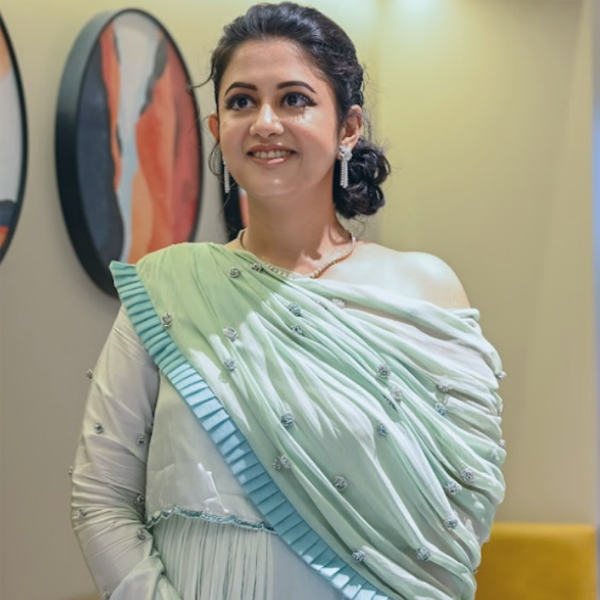
Dr. Prachi Saraogi
Dermatologists in Mumbai
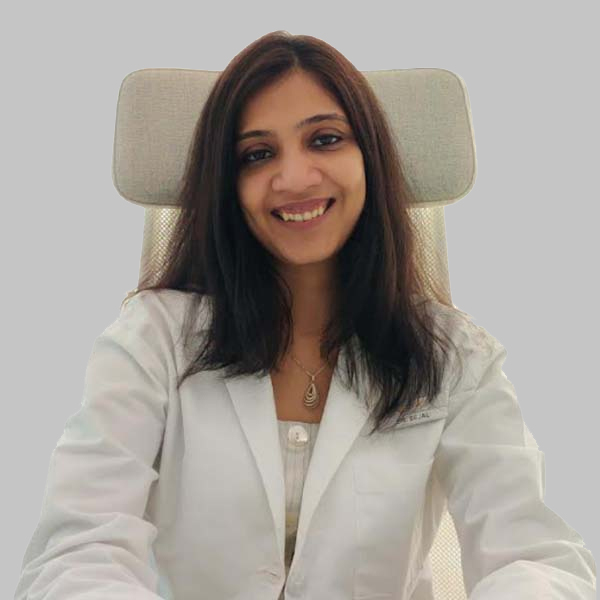
Dr. Sejal Saheta
Dermatologists in Mumbai
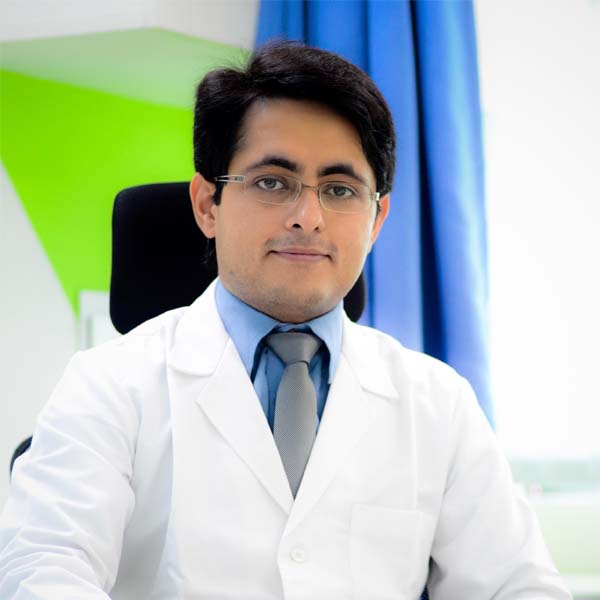
Dr. Sujit Shanshanwal
Dermatologists in Mumbai
 Call Us
 WhatsApp